Lithium-ion battery solutions from Toyota Material Handling UK
Toyota Material Handling’s lithium-ion battery solutions are designed to help businesses maximise uptime, improve energy efficiency and reduce maintenance requirements. Offering fast charging capabilities and consistent performance, lithium-ion technology provides a reliable alternative to traditional lead-acid batteries. Whether you’re operating a single-shift or a demanding multi-shift operation, lithium-ion batteries can help increase truck availability while reducing the time and resources required to manage your fleet.
Four reasons to choose lithium-ion batteries for your forklift
Why choose a lithium-ion battery for your forklift? Lithium-ion technology offers a range of benefits that can help improve warehouse efficiency, increase productivity and support safer day-to-day operations. From optimising energy use to providing greater flexibility across different applications, discover the four key reasons why lithium-ion forklift batteries are becoming an increasingly popular choice for businesses.
Energy Efficiency
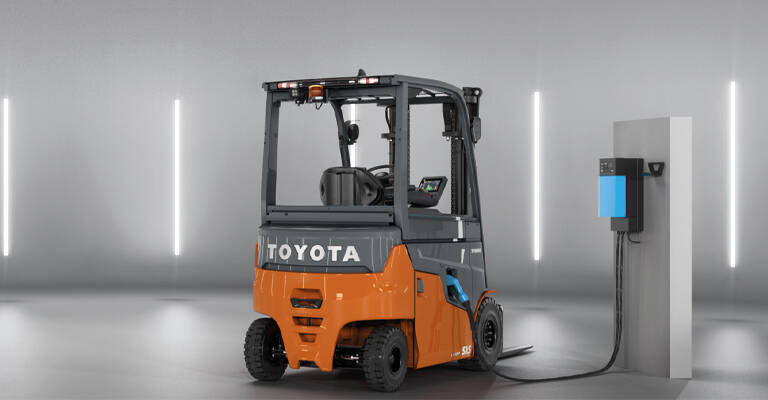
Greater energy efficiency means lower costs and lower emissions. Lithium-ion batteries provide a wide variety of efficiency advantages, from consistent power delivery to faster charging capabilities. Exploring lithium-ion forklift battery options can help you achieve your sustainability and commercial goals.
Higher power density
A li-ion battery uses “lithium salt” as electrolyte which, mixed with other chemical elements, improves its performance and durability. The advantage over other batteries is their ability to store a high energy density in a small space. Toyota uses NCA cells (Lithium Nickel Cobalt Aluminium Oxide). This ensures our lithium-ion batteries can contain more energy in the same volume – it’s the same cell chemistry used in electric cars!
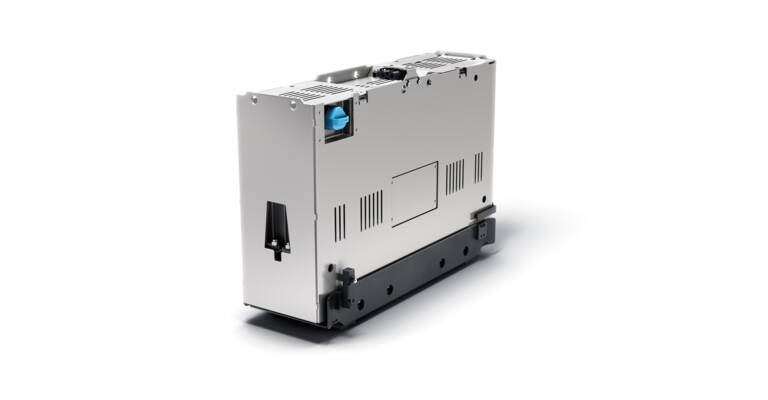
As a result, Toyota’s lithium-ion batteries can withstand a high number of load cycles and have electronic controllers that ensure their reliability and safety. This translates into less energy loss in charging cycles, better use of stored energy and the ability to always provide maximum power.
Reduce your emissions
The cells we use for lithium-ion battery assembly are sourced from a major OEM that shares the same environmental values as Toyota. We are committed to helping all our customers embed sustainability in their operations; we estimate that switching to a lithium-ion battery solution can reduce your CO2 emissions by as much as 20% across all applications.
Productivity
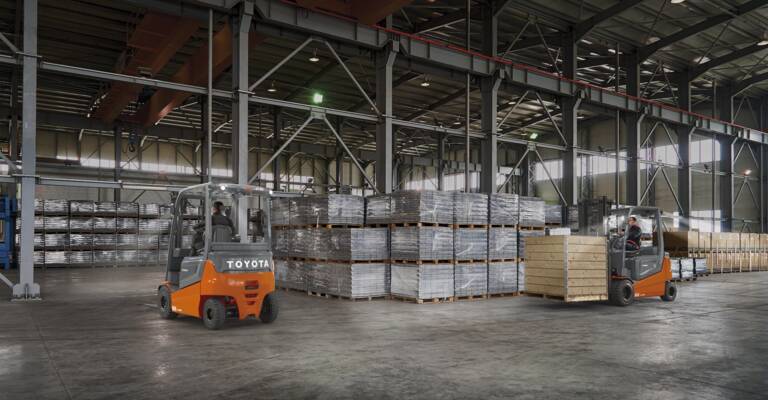
Are your forklifts running as effectively and efficiently as they could? We know the costs and issues surrounded with unplanned downtime. Lithium-ion batteries are an excellent choice for keeping this to a minimum. They generate less heat than alternative power options and improve the ability to deliver stable voltage no matter what level of charge they have. This allows an efficiency improvement of up to 30% over traditional lead-acid batteries.
We are always working to advance our technology and provide even more productivity benefits. Field tests with our new 630Ah capacity battery have indicated that a single battery charge will enable a Reflex to work flat out – both lifting and driving – for more than a full eight-hour shift, without any charging whatsoever.
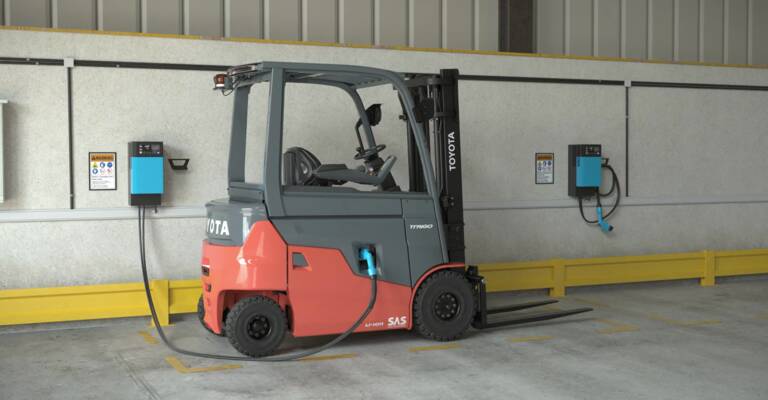
Even more productivity benefits
- Opportunity charging – can be recharged at any time and level without affecting battery life. This makes loading times more flexible and ensures trucks remain in service when needed.
- Rapid charging – A 25V Lithium-ion battery is fully charged in only 80 minutes, and you only need 30 minutes charging time for 50% battery capacity. Furthermore, Toyota smart chargers come with Dynamic Power Limitations (DPL) as standard, which reduces the height of your ‘peak demand’, thereby managing your overall energy use and costs. It also means the majority of the power will be sent to the truck that needs it most when charging multiple forklifts.
- Batteries that last as long as your truck – The useful life of the lithium-ion battery is equivalent to the useful life of the truck, without the need for new investments to maintain the equipment or the need for second sets of batteries.
- No charging rooms – Lithium-ion chargers are easy, safe and ergonomic to use. They can be located anywhere in the facility rather than needing a dedicated charging room – which frees up warehouse space that can be used to optimise flows and maximise the efficiency of your entire operation.
Safety
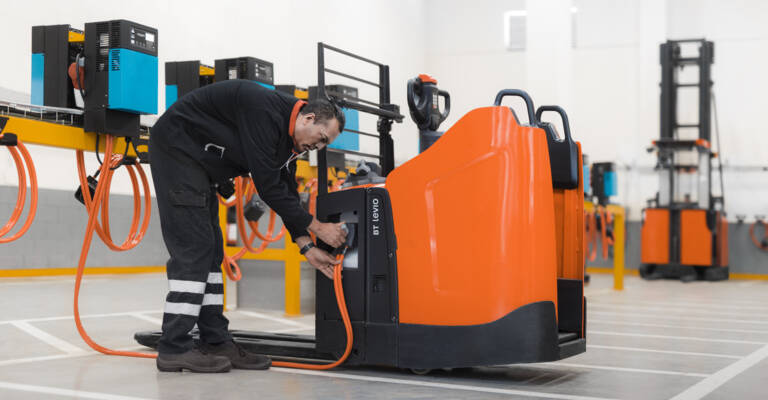
Safety and wellbeing are critical parts of any successful forklift operation – that is why we offer several training courses for operators and warehouse managers. However, forklift safety stretches way beyond the operator. Battery and forklift charging is not without its risks, as can be expected with electrical equipment. As a company with safety and quality at its heart, we have gone the extra mile to ensure our lithium-ion batteries deliver a range of safety benefits.
All our lithium-ion batteries use cylinder-shaped cells that do not touch each other. This means, if there is a safety hazard with one cell, it will not directly impact the other cells next to it. Cylinder cells are also harder to penetrate, and are much more resilient to shock and vibration, making them the best choice for covering a wide range of MHE applications.
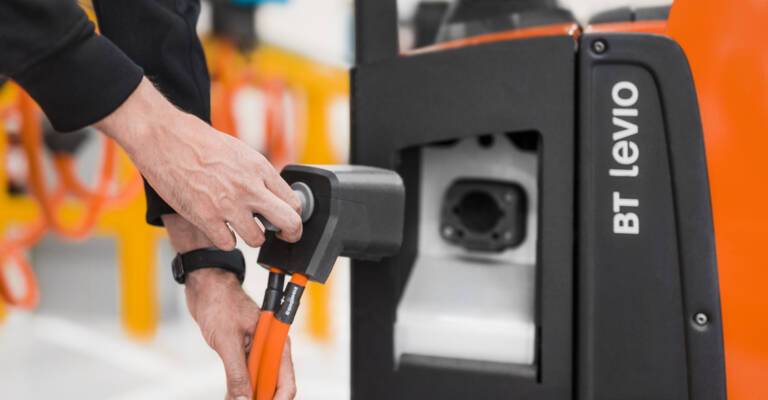
Safety in every component
A lithium-ion battery consists of several cells that are assembled in one module. Depending on the size of the battery, several modules are connected in series and form a battery system. Each module is equipped with a safety system (BMS battery management system). The complete battery system also has a superior BMS that controls the battery’s total activity (charge / outlet).
Compliance with latest battery regulation
In accordance with battery regulation (EU) 2023/1542, our lithium-ion batteries come with the EU Declaration of Conformity regarding battery performance and durability and the Product Data Sheet and Safe Handling information to support transparency, safe handling and regulatory compliance for our battery-containing products.
Battery information for warehouse trucks >
Battery information for counterbalanced trucks >
Adaptability
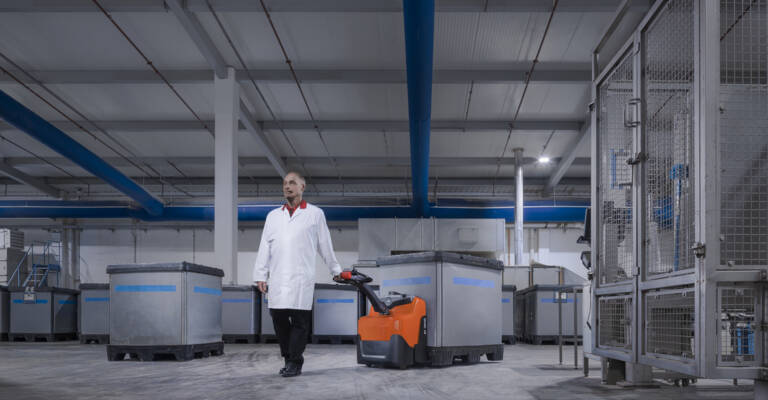
In-house assembled lithium-ion solutions from Toyota offer energy savings, service-friendly operations, and enhanced safety. Battery power loss is minimal, and opportunity charging is possible. Furthermore, unlike lead-acid batteries, lithium-ion batteries only lose minimal performance when operated in cold storage situations.
Chilled environments
Our standard Li-ion batteries are suitable for chilled environments and non-intensive work in cold store, when charging can be done at a minimum + 5ºC, e.g:
- Approx. 2h operating time at -30°C
- Approx. 4h operating time at -10°C
Cold store environments
When operating forklifts for more than 2 hours or by any chance left unused in temperatures down to -30ºC, we recommend heated lithium-ion batteries, which allows for charging inside the refrigerated area. The less frequently the trucks need to go outside for charging, the fewer condensation issues you will face. Furthermore, battery power can be reduced by 5-10% to always guarantee an optimal temperature for the equipment.
Adaptability
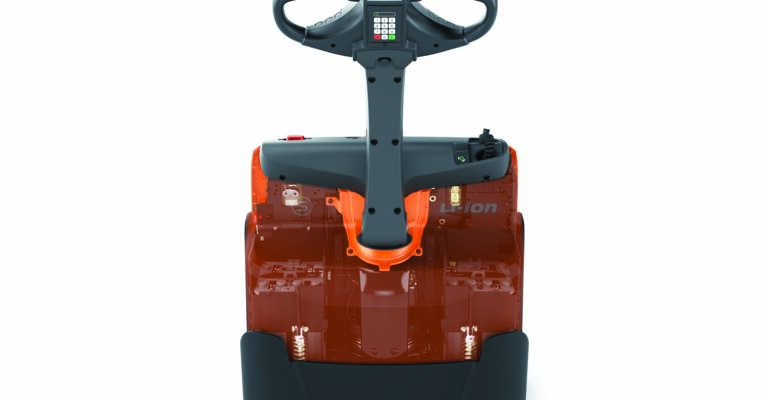
Whatever your business focus and forklift application, lithium-ion batteries can offer greater efficiency and higher performance. Suited to working in both hot and cold environments, they deliver an all-round solution to material handling.
Modular design reduces weight and servicing requirements
Did you know? A 50Ah battery will supply enough power for 70% of small power pallet truck applications – which means a full-size lithium-ion block could be adding more power, and weight, than you need. Toyota batteries don’t have this issue. They work on a modular principle, combining the right number of modules to deliver the required power without adding unnecessary cells and weight. Modules can also be replaced one at a time, meaning servicing is quicker, simpler and requires less stock.
Why Choose Lithium-ion for your fleet?

Efficient opportunity charging
This can be recharged at any time and level without affecting battery life. Regardless of charge levels, lithium-ion delivers stable voltage, allowing for efficiency improvements of up to 30% over Lead acid.

Rapid charging
A 25V Lithium-ion battery can be fully charged in only 80 minutes providing enough power for up to an eight-hour shift, depending on the application. Just 30 minutes of charging can restore 50% battery capacity.

Long Battery Life
The useful life of the lithium-ion battery is equivalent to the useful life of the truck, without the need for new investments to maintain the equipment or the need for second sets of batteries.

No charging rooms required
Lithium-ion chargers can be located anywhere in the facility rather than needing a dedicated charging room – which frees up warehouse space that can be used to optimise flows and maximise the efficiency of your entire operation.
What is Toyota Material Handling lithium-ion technology?
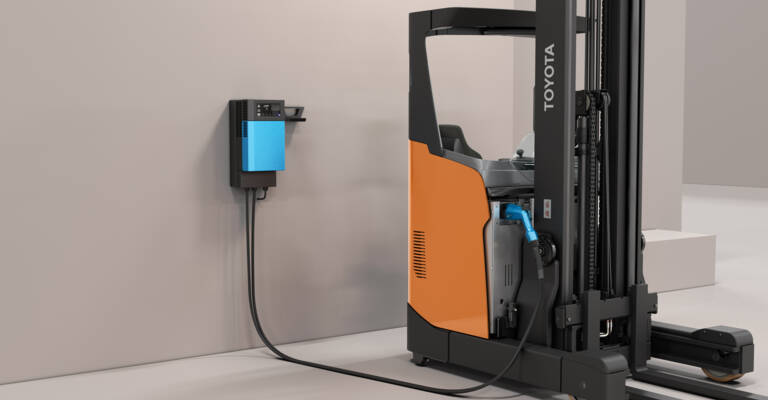
Toyota material handling’s lithium-ion battery solutions are developed as part of an integrated truck and energy system. By designing batteries and trucks to work together, we can deliver a solution that supports performance, reliability and long-term operational efficiency.
The modular battery design enables the energy solution to be tailored to the specific requirements of your operation, ensuring the right balance of performance, runtime and charging capability.
Compared with lead-acid batteries, lithium-ion technology typically offers shorter charging times, greater flexibility through opportunity charging and significantly lower maintenance requirements. As batteries do not require watering or regular battery changes, you can reduce downtime and simplify day-to-day battery management.
Is Lithium-ion right for me?
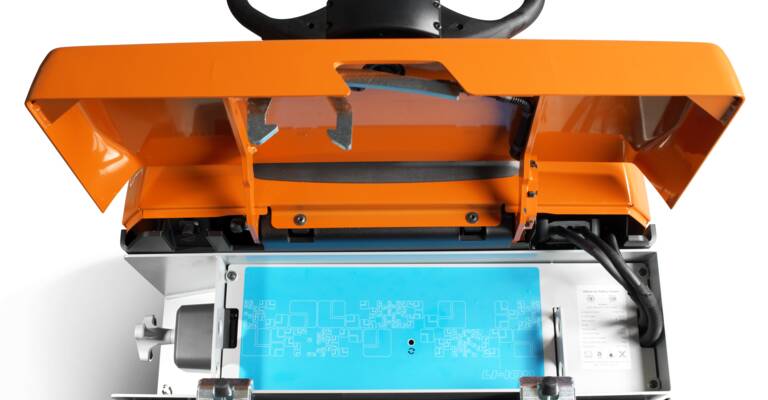
Lithium-ion battery technology is well suited to fast-paced operations where charging flexibility and uptime are key, making it a great fit for;
- Operations running one or multiple shifts per day
- High intensity or continuous workloads
- Businesses looking to improve productivity and minimise downtime
- Sites with limited space, where dedicated charging rooms aren’t practical
- Fleets wanting maintenance-free batteries and flexible opportunity charging

Choosing the right energy source for your fleet is easier than you think.
Our energy calculator helps you select the right energy source based on your operational needs - from working hours to usage intensity. This allows you to make an informed, data-driven decision tailored to your business.
Start the calculator
Intelligent Energy Packs
Intelligent Energy Pack
Reducing costs by charging frequently
A key advantage of lithium-ion batteries is that you can charge them when you have time to do so, this is what we call ‘opportunity charging’: you charge your truck when it’s standing still or during your break. If your operation allows for frequent opportunity charging or if you can organise around it, you won't just benefit in terms of increased flexibility and longer operating times, you can also potentially reduce the size of your batteries. Opportunity charging will save you money, diminish CO2 emissions and lessen electricity consumption.
Intelligent Energy Packs
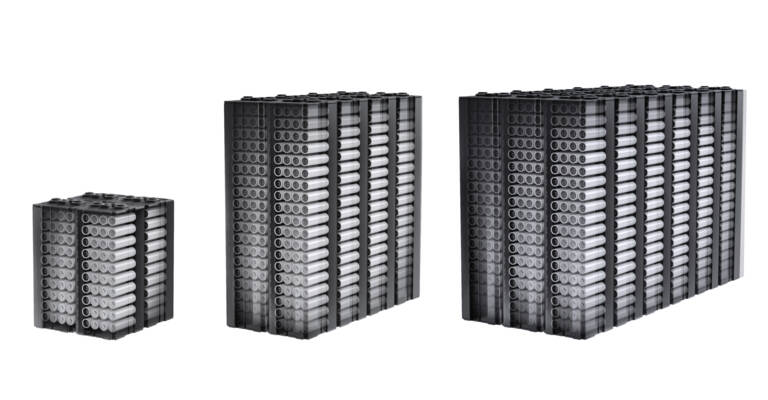
This philosophy has led to the creation of Intelligent Energy Packs. Per truck you can choose the Intelligent Energy Pack that suits your operational and charging habits best. With good charging habits, even the smallest energy pack will keep your fleet going around the clock. To ensure maximum flexibility and to suit all applications, we offer three packs depending on the truck type.
Standard
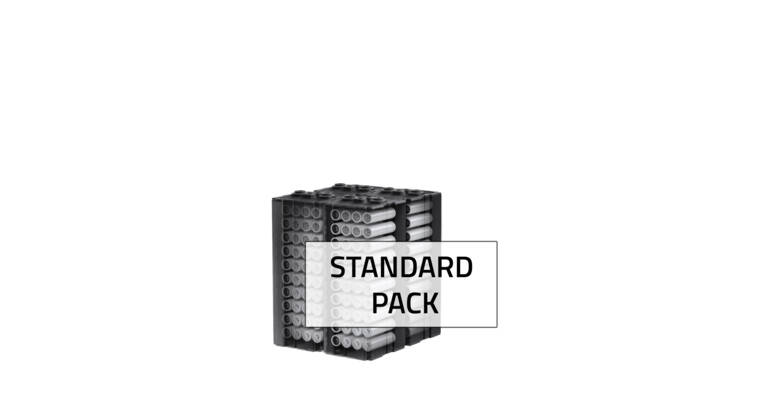
Standard pack
-
-
-
-
- For normal operating conditions
- When you can regularly opportunity charge, 2-3 times during 1 shift
- A 30 min. charge extends operating time significantly
- To be combined with the charger that suits your application intensity best
-
-
-
Available on: LWI160, BT Reflex, Toyota Traigo
Intensive
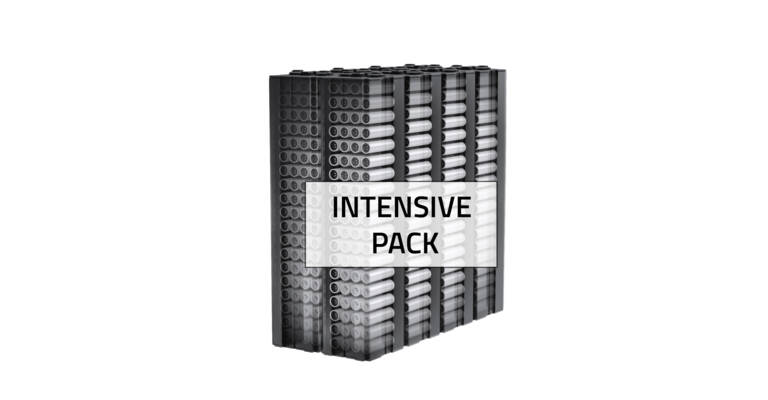
Intensive pack
-
-
-
-
- Intensive operations
- When you can occasionally opportunity charge, 1-2 times during 1 shift
- A 30 min. charge extends operating time significantly
- To be combined with the charger that suits your application intensity best
-
-
-
Available on: LWI160, BT Reflex, Toyota Traigo
Max
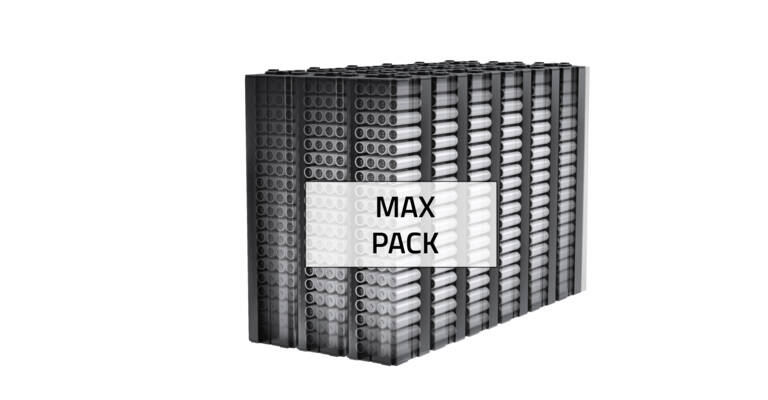
Know and go
We trust we convinced you of opting for lithium-ion batteries on your new forklifts, the benefits are very convincing! We would like to highlight a few of our models from our extensive electric range that you might want to look into.
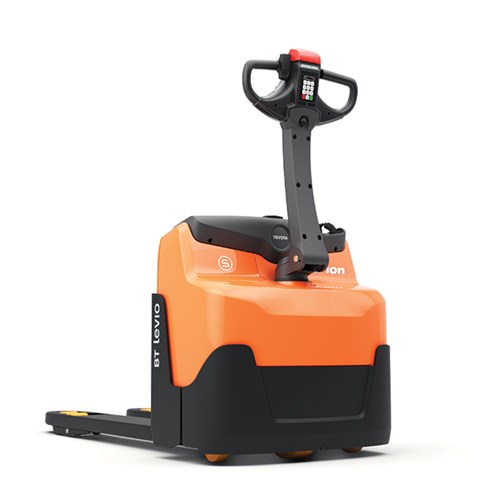
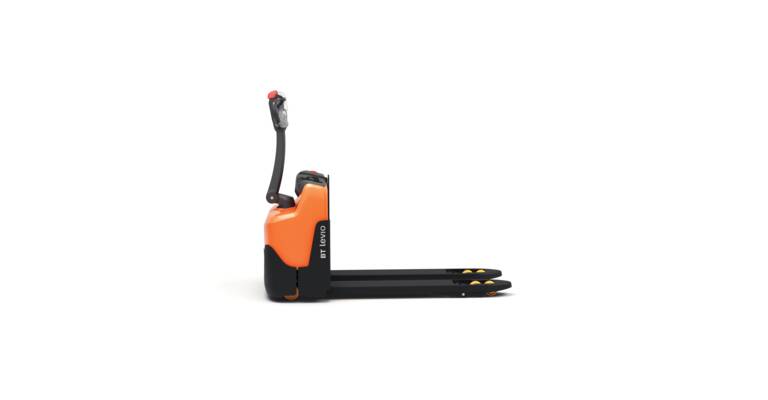
LWI160
BT Levio 1.6t Lithium-ion
- Small dimensions – works well in confined areas
- Light weight
- Quick and easy to charge
- Easy and safe to operate
- Low energy consumption
-
 1600 kg
 -
 6.0 km/h
 -
 Smart truck
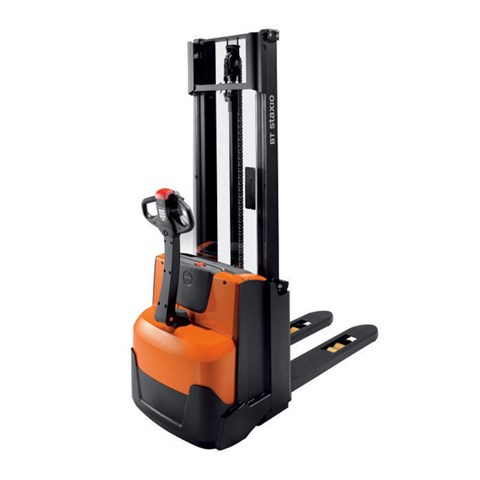
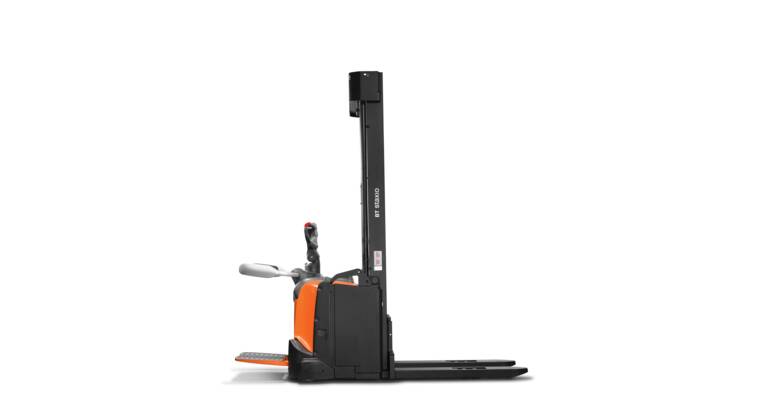
SWE120
BT Staxio 1.2t Stacker
- Elevated stacking height for medium-duty use
-
1200 kg
-
 4500 mm
 -
6.0 km/h
-
Smart truck
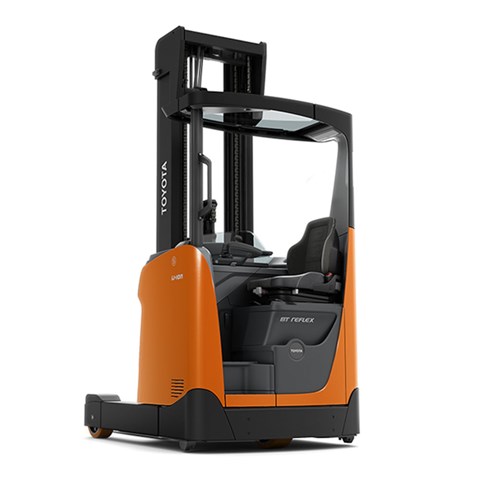
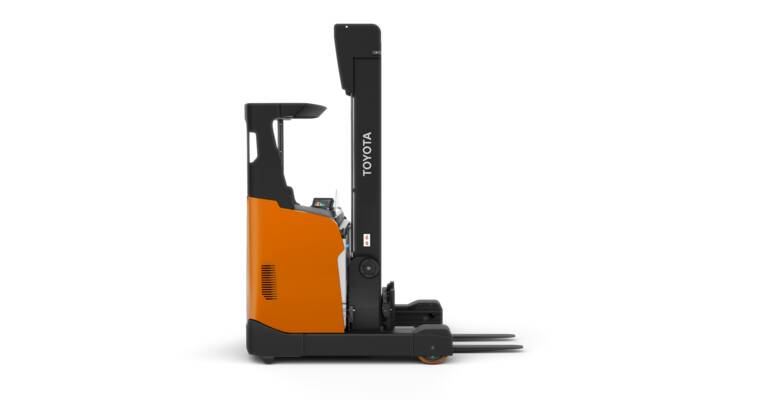
RRE180H
BT Reflex 1.8t High-performance reach truck
- High-lifting reach truck for demanding applications
-
1800 kg
-
13000 mm
-
14.0 km/h
-
Smart truck
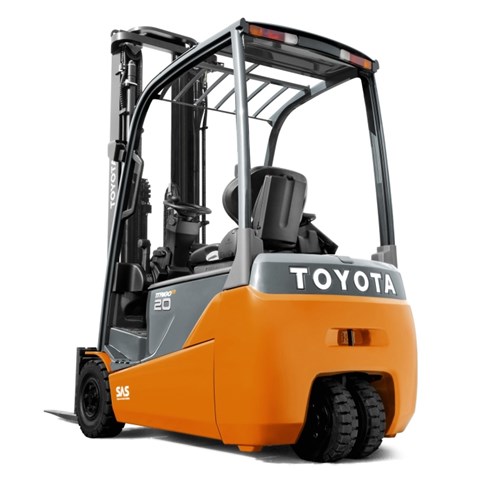
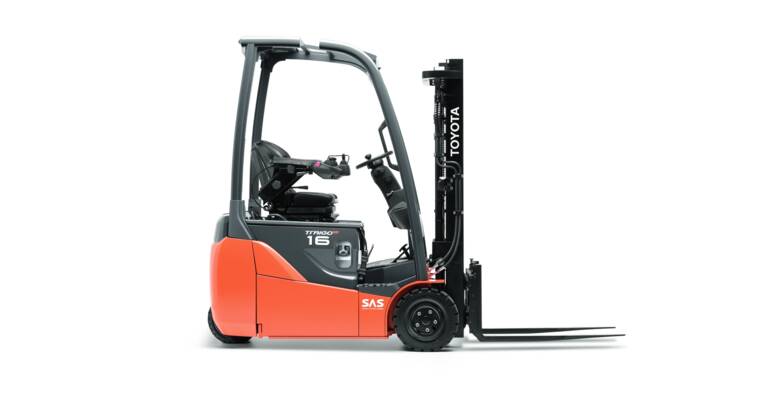
8FBE20T
Toyota Traigo 48, 3-wheel 2t
- Excellent turning radius
-
2000 kg
-
 48 volt
 -
16.0 km/h
Compact, light and agile
- Highly energy-efficient
- Easy to manoeuver
- Ideal for confined spaces
- Built around Li-ion
Recommendations:
Toyota BT Levio LWI160 is a powered warehouse truck ideal for working in confined spaces such as retail sales areas, shops and supermarkets.
Fast and easy manoeuvrable
- Easy steering
- Ideal for long-distance transport
- Also pedestrian versions
- Available with Li-ion
Recommendations:
Our SWE/SPE stacker range covers many different models and features to suit your transport needs.
Productive and comfortable
- Proven innovation
- Ergonomic operator compartment
- Lifting capacity up to 13 m
- With intelligent li-ion energy packs
Recommendations:
Our reach truck range is wide and can support many different applications: indoor, outdoor and in confined spaces.
Efficient indoor and outdoor
- High manoeuvrability
- Available in 3 & 4-wheel version
- Armrest with fingertip control
- Available with Li-ion
Recommendations:
The Traigo 48 models are very energy-efficient, come with excellent all-round visibility and high lifting and driving performance.
Everything you need to know about lithium-ion batteries
What is lithium-ion?
Lithium-ion is a collective term for many different chemistries and technologies. It’s a type of battery, but compared to a traditional lead-acid battery, it has a much higher energy density and can therefore store and supply energy much faster.
Are there different types of lithium-ion battery?
The cells of the lithium-ion battery may consist of various cell chemistries. The most common in the truck and car industry are:
- LFP (lithium, iron, phosphate)
- NMC (nickel, manganese, cobalt)
- NCA (nickel, cobalt, aluminium)
Toyota uses NCA- or NMC cells in its lithium-ion batteries for forklifts, as these have a higher energy density and can contain more energy in the same volume.
Are lithium-ion batteries safe?
At Toyota, we use cylinder cells that do not touch each other. This makes them very safe to use. Safety and quality remain Toyota’s core values in everything that we do.
How do lithium-ion batteries work?
Lithium-ion is a collective term for many different chemistries and technologies. In general, most of the chemistries are based on creating energy through the movement of free ions between the anode and the cathode in a battery cell.
A lithium-ion battery combines several of these cells to form a module. Depending on the size of the battery, several modules may be connected in series, forming a battery system.
Each module has a battery management system (BMS), as does the entire battery system. The BMS monitors and controls factors such as battery charge and power consumption.
The BMS works in cooperation with the truck. If any of the cells in the battery module are damaged or are in danger of overheating, the power supply is switched off and the truck indicates a fault code.
What are the advantages of lithium-ion batteries?
Some of the advantages of lithium-ion technology include:
- More than three times the lifespan of lead-acid batteries
- 30% more energy-efficient batteries (compared to lead-acid)
- Lower energy consumption, enabling lower CO2 emissions
- Easy and fast charging: a 25V lithium-ion battery is fully charged in only 80 minutes (30 minutes for 50% battery capacity)
- Partial charging and ‘opportunity charging’ are possible without performance or lifespan penalties
- Power output is constantly as high as possible, regardless of the remaining capacity in the battery
- No battery topping or battery maintenance required
- Chargers can be installed anywhere, with no need for dedicated rooms
- Seven-year warranty
- Improved safety thanks to unique Toyota charging plug
- A single battery will serve the lifetime of a truck
- Works efficiently in chilled areas
- Heater option available for in-cold store charging and continuous performance throughout the shift
Which trucks are available with lithium-ion?
Lithium-ion batteries work for all types of machines and trucks. The capacity and size of the battery is adapted according to the amount of driving time and any shifts required.
How big are lithium-ion batteries?
A lithium-ion battery has up to 30% higher capacity than lead-acid batteries thanks to its high energy density, which means that with a lithium-ion battery it is possible to reduce Ah size compared to lead-acid. For example, 210 Ah lithium-ion corresponds to 300 Ah lead-acid. Lithium-ion batteries are smaller and weigh less than lead-acid batteries.
How long does a lithium-ion battery last?
A lithium-ion battery lasts up to 5,000 charges, while a lead-acid battery lasts about 1,500 times.
Contact Us
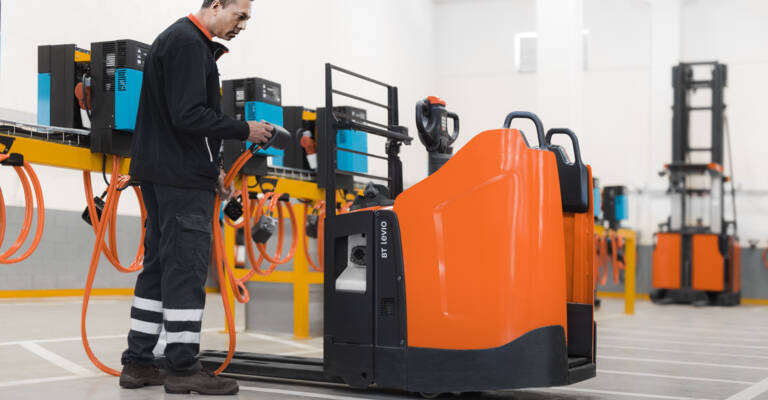
Get in touch to discover how lithium-ion battery technology can help improve productivity, reduce maintenance requirements and support a more efficient material handling fleet.
With rapid charging, opportunity charging capabilities and long service life, lithium-ion batteries can help maximise truck availability, reduce operational downtime and optimise warehouse performance.
Speak to our specialists to find out how the right solution can support your business today and as your operation grows.
Lithium-ion Case Studies
See how businesses are improving productivity, reducing downtime, and increasing efficiency with Toyota lithium-ion solutions. These real-world case studies highlight the benefits of lithium-ion technology across a variety of industries.
Life Health Foods
Life Health Foods modernised its material handling operation with a new lithium-ion fleet and Toyota I_Site fleet management system, improving safety, efficiency, and battery management across its warehouse operations. The transition from lead-acid to lithium-ion technology reduced charging times, improved energy efficiency, and eliminated many maintenance challenges.
Key Benefits:
- Faster charging for increased truck availability
- Reduced battery maintenance by switching to lithium-ion
- Enhanced safety through better battery handling and operator accountability
- A future-ready operation built around reliability and efficiency
Uponor
By replacing an ageing conveyor system with automated lithium-ion reach trucks, Uponor improved warehouse efficiency, increased available storage space, and enhanced safety. The trucks support 24/7 operations, use 20-30% less energy, and benefit from fast opportunity charging with no dedicated charging area required.
Key Benefits:
- 20-30% energy savings
- 24/7 automated operation
- More storage space created
- Improved warehouse safety
- 2-3 year typical ROI
Visit our online shop
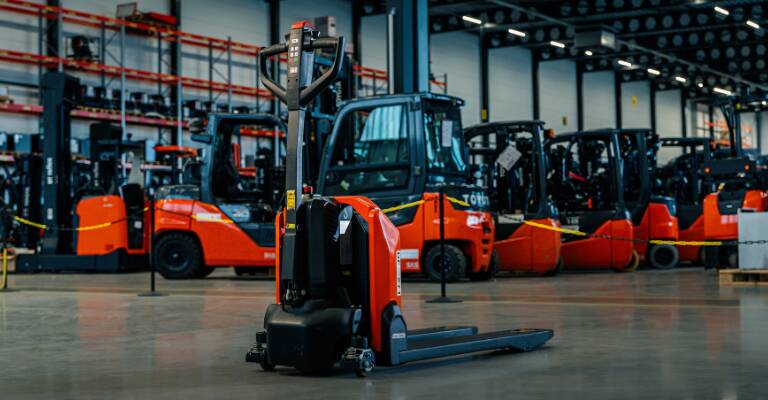
Find product information and buy our range of Hand Pallet Trucks, Powered Pallet Trucks and Stackers online.
Got questions about Li-ion?
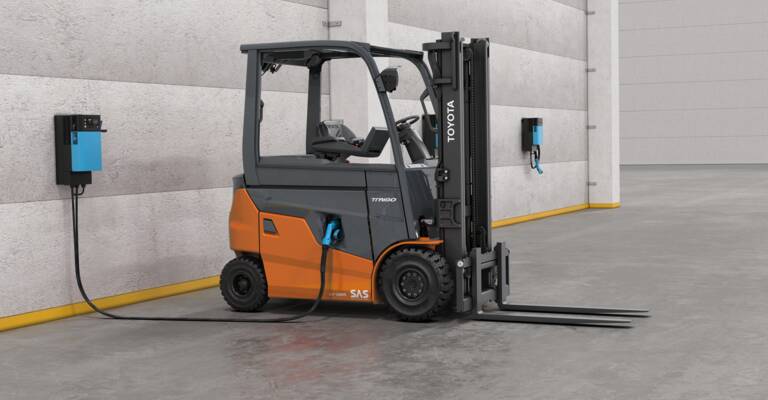
Visit our lithium-ion FAQ page, where we answer your questions about Li-ion technology.
How to power your trucks
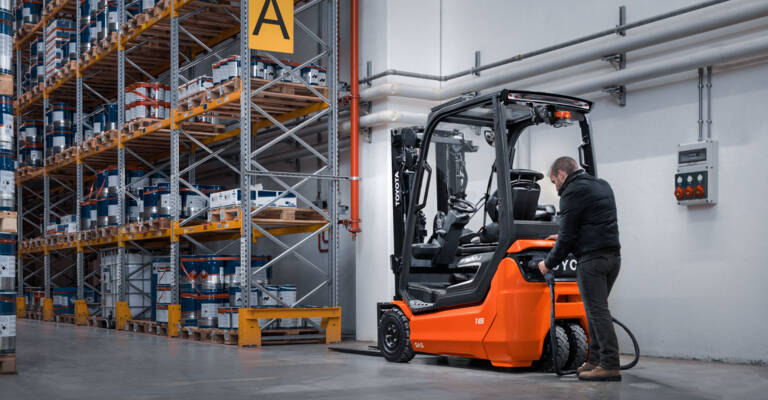
From combustion engines to fuel cell technology, we have the energy solutions to best fit your operations. Learn more about our forklift energy solutions.
Powered pallet trucks
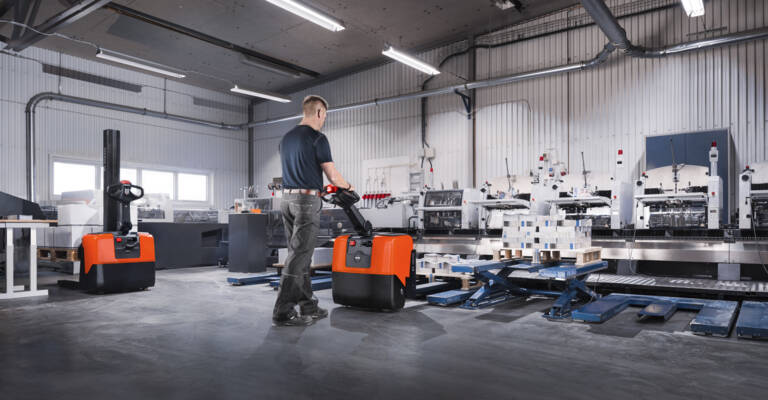
These trucks are fast and powerful, with a focus on safety and ease of use and a variety of uses in material handling applications.