Automation in Manufacturing
Manufacturers are under increasing pressure to increase output, reduce operating costs and respond to changing customer demands, all while managing labour shortages and maintaining high standards of quality and safety.
Toyota Material Handling helps manufacturers optimise material flow through intelligent warehouse automation solutions. From transporting raw materials to moving finished goods, our scalable automation solutions help create safer, more efficient and future-ready manufacturing operations.
Why manufacturers are investing in warehouse automation
Modern manufacturing relies on the seamless movement of materials. Whether transporting raw materials to production, moving work-in-progress between processes or storing finished goods, inefficient material handling can create bottlenecks that impact productivity and increase costs.
Warehouse automation helps manufacturers create a more connected and efficient operation by automating repetitive transport tasks, improving inventory visibility and ensuring materials are available exactly where and when they are needed.
Automation also provides the flexibility to respond to changing production schedules, increasing product variety and growing customer expectations without compromising operational performance.
Common challenges in the manufacturing sector
Labour shortages:
- Recruiting and retaining skilled workers remains a major challenge, leaving many manufacturers struggling to maintain productivity and keep pace with demand.
- Labour shortages can increase operational pressure, leading to higher overtime costs, reduced efficiency and greater reliance on manual processes.
Production bottlenecks:
- Production bottlenecks limit throughput, preventing manufacturers from meeting increasing customer demand and maximising the efficiency of their operations.
- Delays in transporting materials between production stages can disrupt workflows, increase idle time and create unnecessary costs across the manufacturing process.
Rising operating costs:
- Escalating operational expenses are driving manufacturers to find more efficient ways to move materials, reduce waste and improve productivity.
- Rising labour shortages and energy costs mean businesses need smarter, more cost-effective processes that maintain output without continually increasing overheads.
Space limitations:
- Limited warehouse and production space can restrict storage capacity, reduce operational efficiency and make it difficult to accommodate business growth.
- Poor space utilisation often results in congested workflows, longer travel distances and reduced productivity across manufacturing operations.
Benefits of warehouse automation for manufacturers
Explore the benefits of warehouse automation for manufacturers, from improving operational efficiency and material flow to supporting safer, more scalable production and logistics processes.
Increased productivity & safety
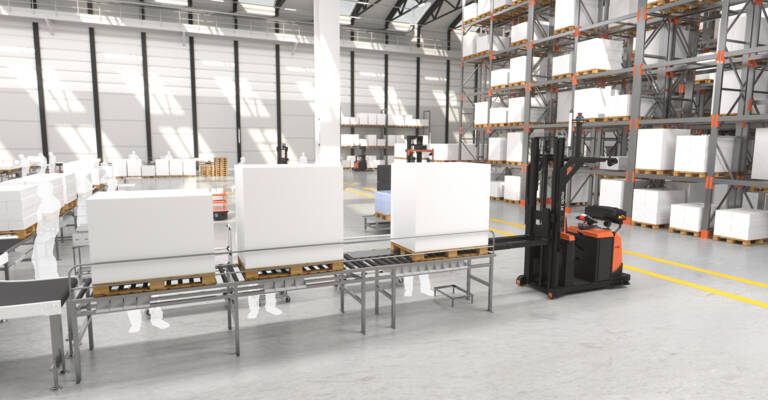
Warehouse automation improves productivity and safety by automating repetitive material handling tasks and ensuring a consistent flow of materials throughout production. Automated vehicles reduce delays, minimise forklift traffic, and help manufacturers create safer working environments while increasing operational efficiency and throughput.
Improve material flow
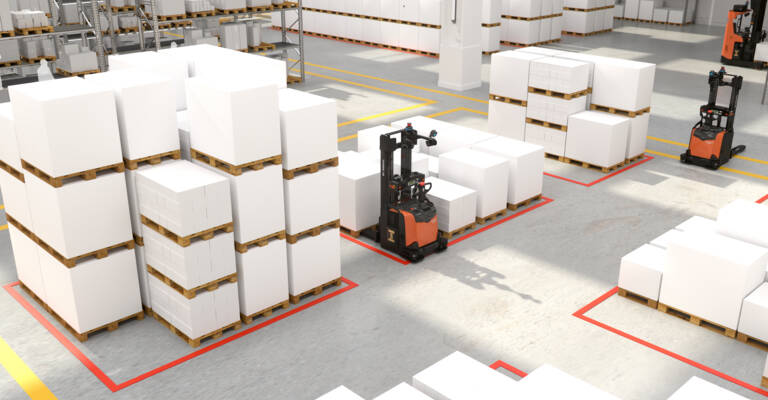
Ensure materials are delivered to the right place at the right time, reducing waiting, unnecessary travel and production interruptions.
Reduce operating costs
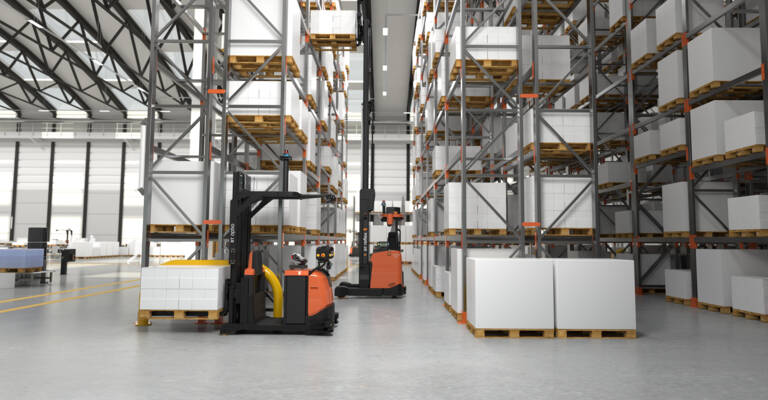
Reduce labour dependency, minimise product damage and improve equipment utilisation to lower operating costs over the long term.
Optimise warehouse space
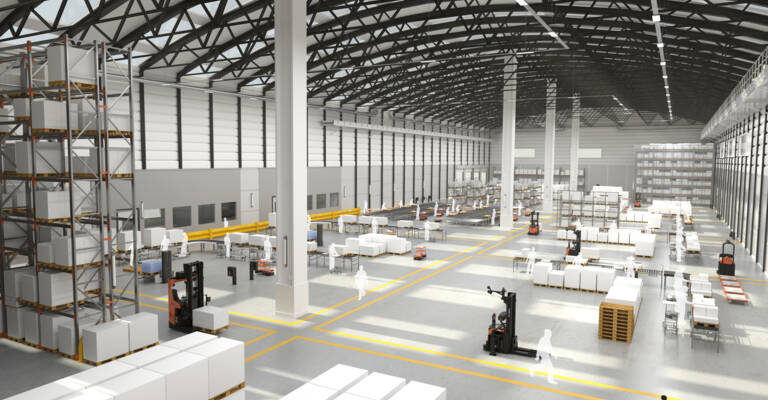
Support higher-density storage, improve warehouse layouts and maximise available capacity without increasing your warehouse footprint.
Future-proof your operation
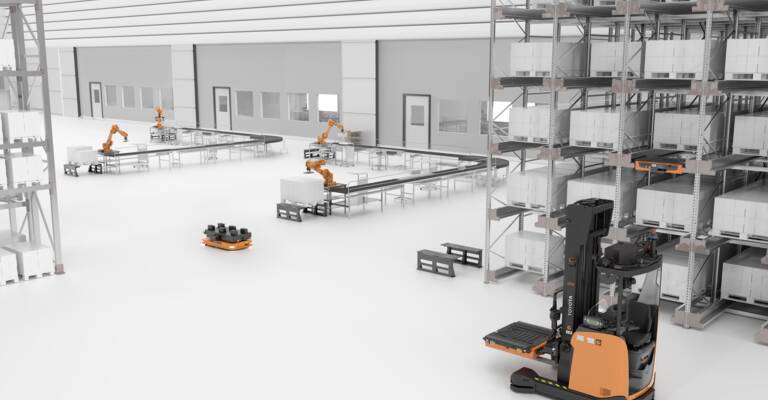
Automation solutions can be implemented in phases and scaled over time, allowing manufacturers to adapt as production volumes and business requirements evolve.
Warehouse automation can support a wide range of manufacturing processes, including:
- Production line replenishment
- Raw material transport
- Finished goods transport
- Goods-in pallet handling
- Put-away
- Empty pallet handling
- Warehouse-to-production movements
Which automation solutions are right for manufacturing operations?
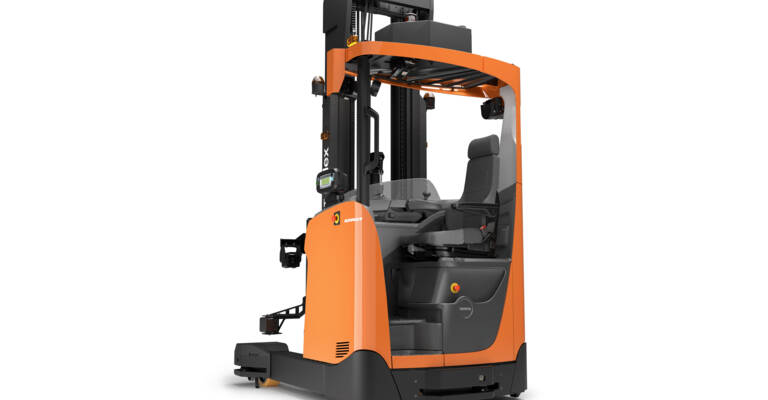
Automated Pallet Trucks, Stackers & Reach trucks
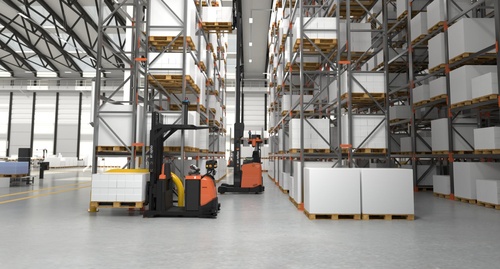
Designed to automate repetitive pallet handling, these AGVs allow for automated pallet transport, block stacking, mixed pallet handling and high-level storage.
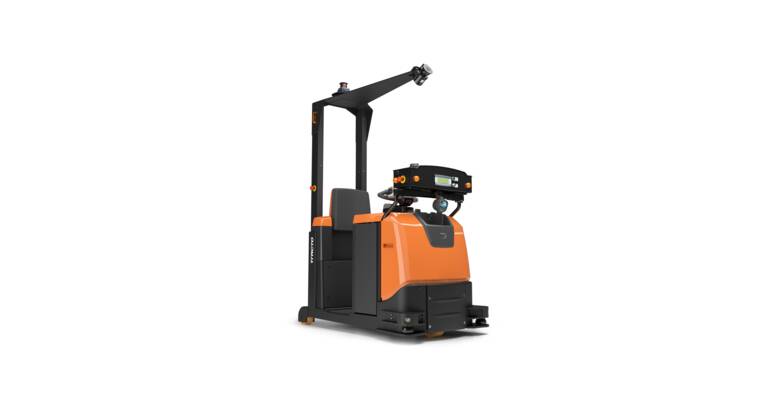
Automated Tow Tractors
Fork-free automated pallet and item handling, perfect for just-in-time delivery and milk runs.
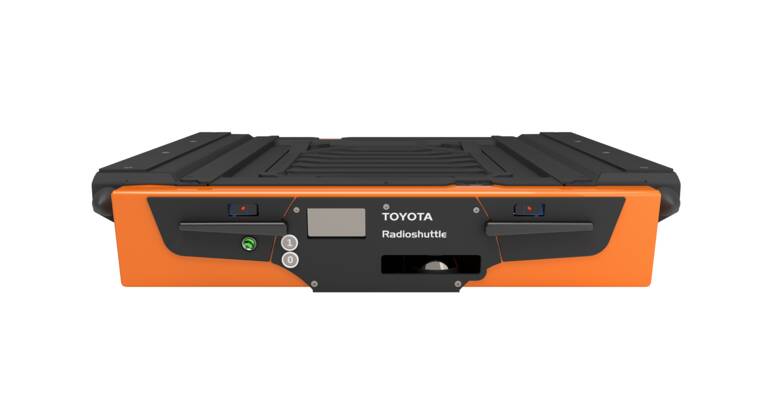
Semi-automated shuttle
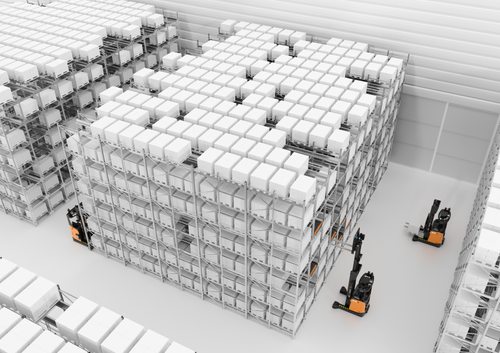
High-density, deep storage solution with 80% space utilisation for increased throughput.
Your Trusted Automation Partner
0+
Installations
0+
Customer sites
0+
Years of automation experience
0+
Application, support & service engineers across Europe
Automation in manufacturing customer success stories
De’Longhi
De’Longhi optimises their logistics flow with Swarm Automation
- Continuous, uninterrupted workflow, 24 hours a day.
- Employees benefit from a safer and visibly improved working environment.
- Automation significantly reduces the risk of damaged goods during handling and transport, and minimises costly errors caused by inefficient handling, ensuring consistent quality.
Hargassner
Automation from Toyota improves job satisfaction at Hargassner
- 50% reduction in the amount of accidents
- All operators continue to work at the site, but now have more value-added tasks.
- The Autopilots can supply the assembly line overnight, saving quite some time.
Kvik’s

Automation supports kitchen manufacturer Kvik’s growth
- Efficiency gains of up to 20%
- Payback of less than one year
Automation in the manufacturing sector FAQs
What manufacturing processes can be automated?
Many repetitive material handling tasks can be automated, including transporting raw materials, replenishing production lines, moving work-in-progress, storing finished goods and loading goods for dispatch.
Is warehouse automation suitable for existing manufacturing facilities?
Yes. Automation can be introduced gradually, allowing manufacturers to automate specific processes while maintaining day-to-day operations.
How quickly can warehouse automation deliver ROI?
Every project is different, but automated forklift projects can typically achieve payback within 12–36 months.
Can automated vehicles work alongside manual forklifts?
Yes. Automated and manual trucks can safely operate within the same facility, allowing businesses to automate selected workflows while retaining operational flexibility.
How do I know which automation solution is right for my business?
The right solution depends on your products, warehouse layout, material flow and operational goals. Our automation specialists assess your operation and recommend solutions that deliver measurable improvements.
Ready to automate your manufacturing operation?
Whether you're looking to improve safety, increase productivity or optimise material flow, our automation specialists can help identify where automation will deliver the greatest value.